If a storm just came through Havre de Grace and you're not sure what shape your roof is in, that's exactly the situation we handle. I'm Tyler VanDusen, owner of Quantum Roofing & Restoration, and storm damage roof repair is one of the core services we provide for homeowners throughout Havre de Grace and Harford County.
Not every storm means a full replacement. A lot of the time, targeted roof repairs are the right answer. We get up on the roof, tell you what we find, and give you an honest recommendation based on what's actually there.
How Storms Commonly Damage
Residential Roofs
Storm damage isn't always dramatic. Wind speed, rainfall, debris, and the existing condition of the roof all factor into what happens. Even a moderate storm can start a problem that gets worse every time it rains.
Wind damage to shingles and roofing materials
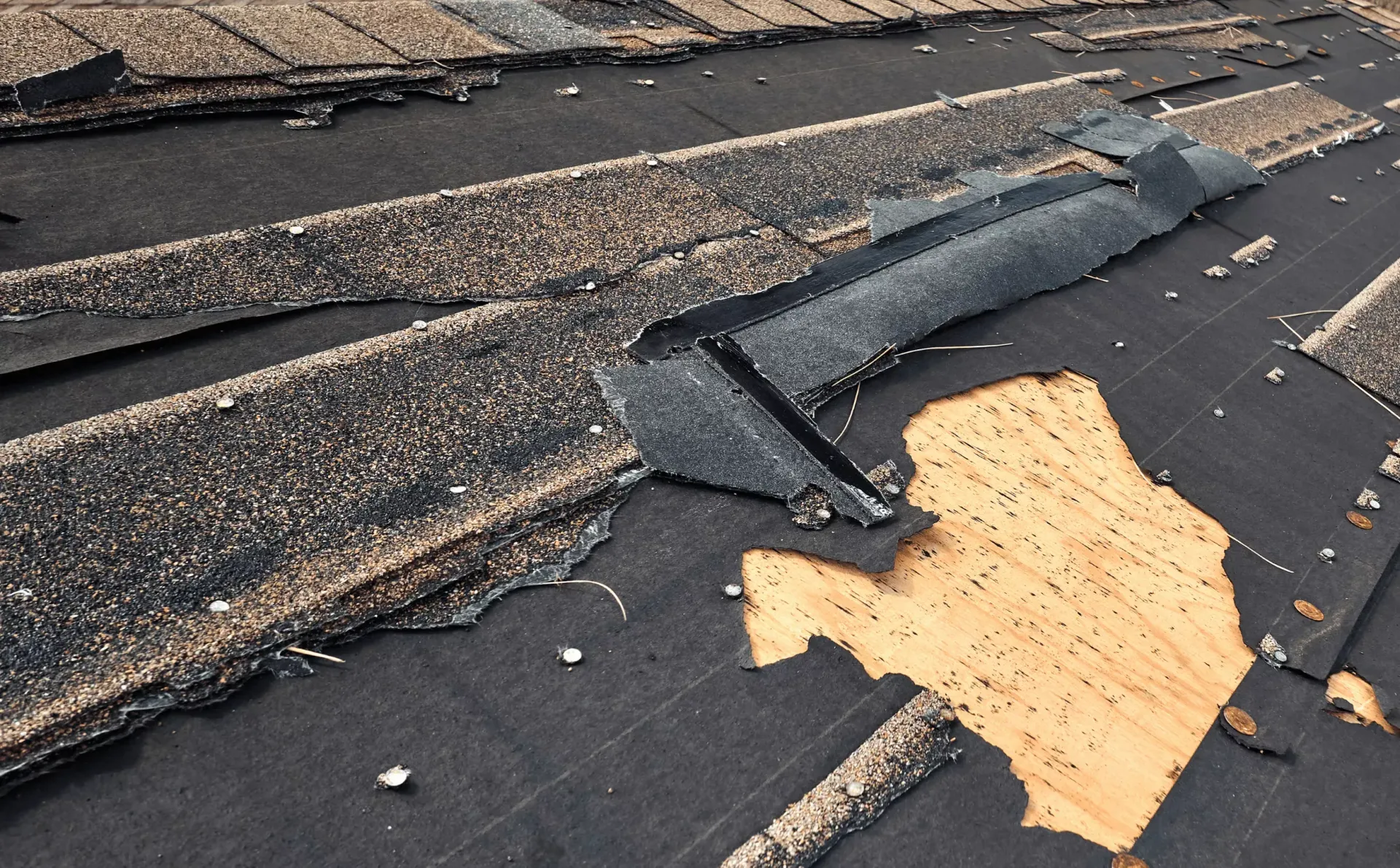
Strong winds lift, loosen, or remove shingles and break the adhesive seal underneath. A shingle that looks intact from the ground may have lost its seal entirely. Once that seal is gone, water has a way in.
Why wind direction matters
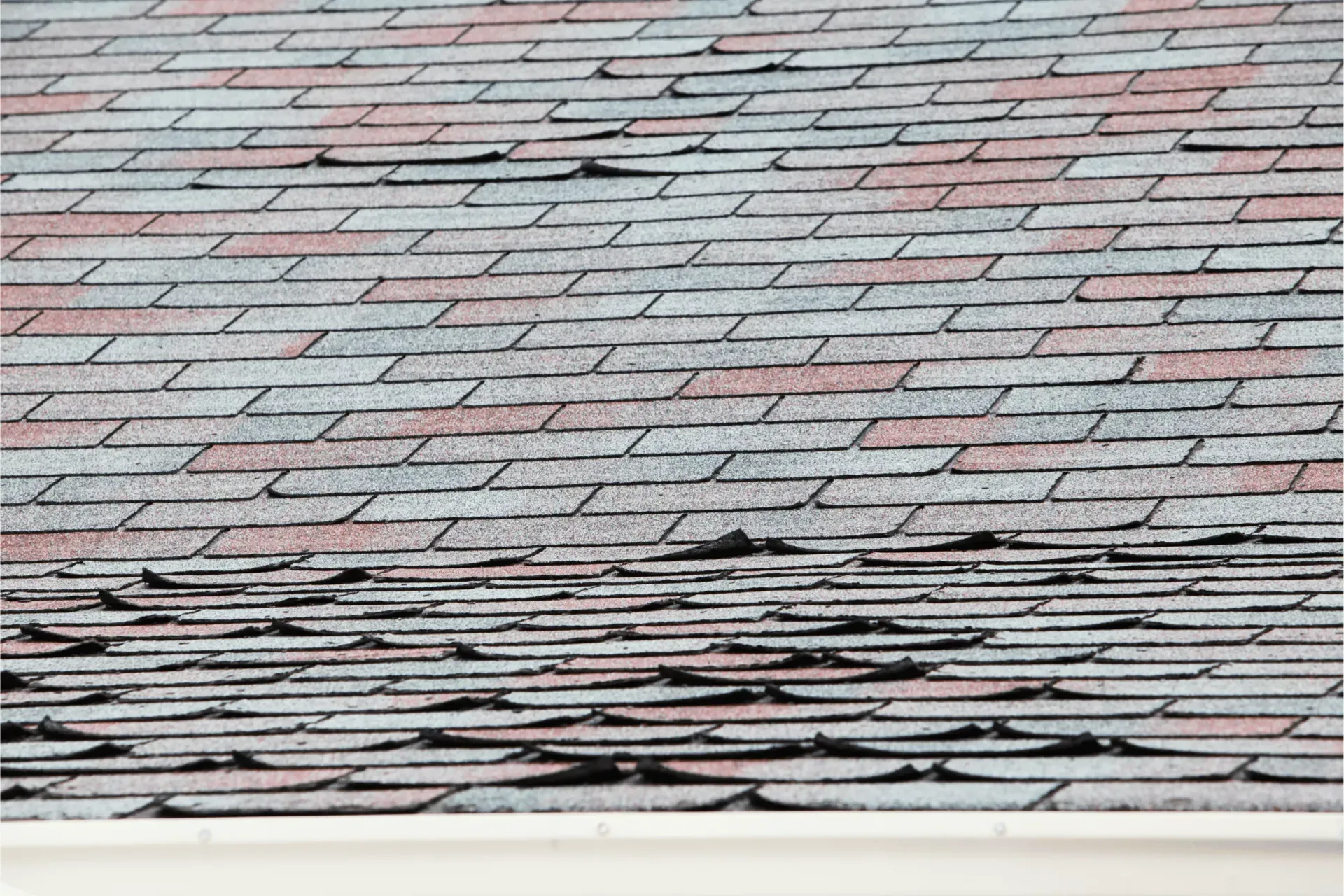
Nor'easters hit Havre de Grace from the northeast, which means east and north facing roof slopes take the hardest hits. Ridges and edges are also high risk areas where uplift forces concentrate. Those are the spots we go straight to after a storm.
Impact damage from debris
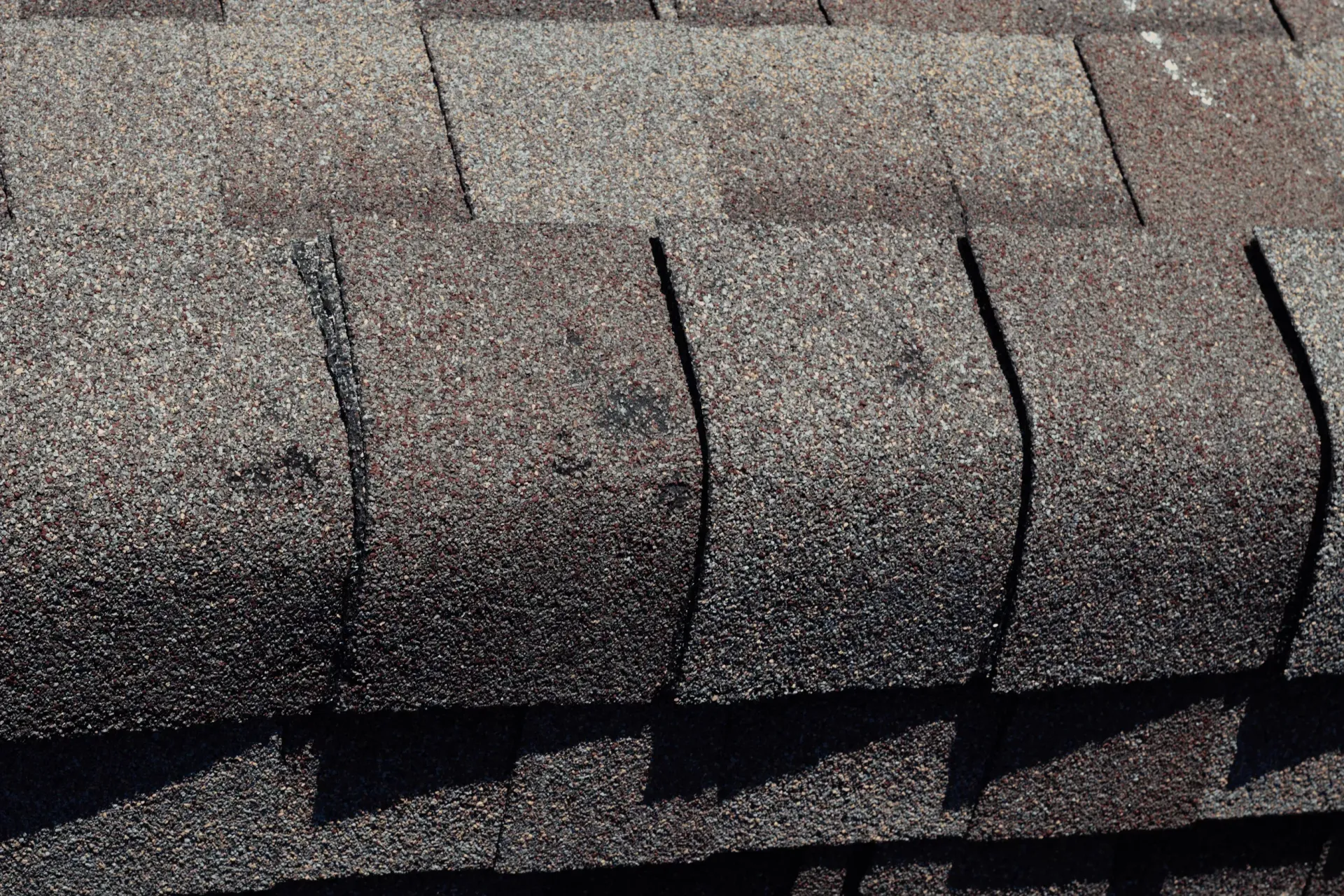
Branches and wind driven debris can crack shingles, dent flashing, or damage areas around roof penetrations. These impacts don't always cause an immediate leak, but they weaken the roofing system and the next storm usually makes it worse.
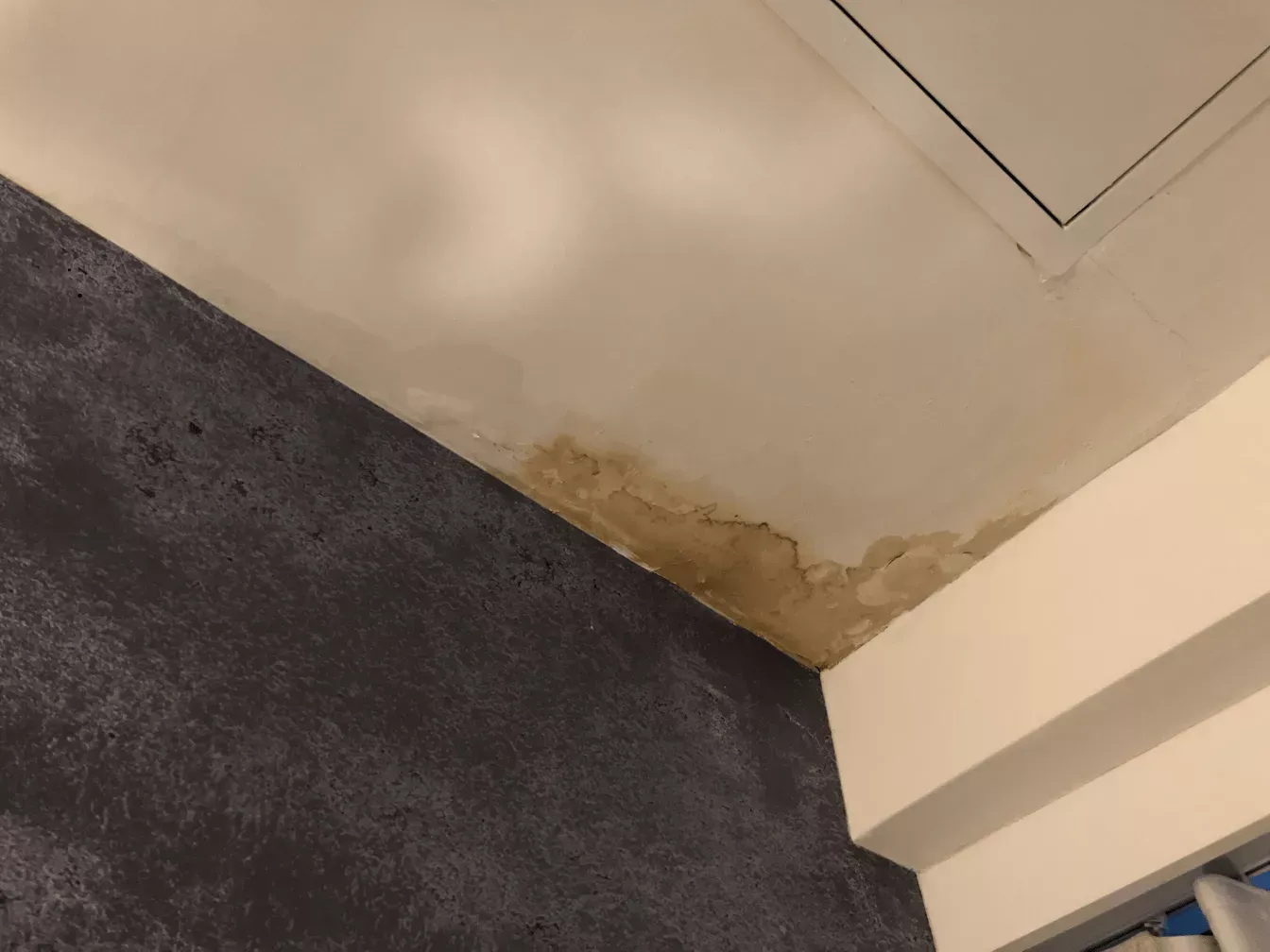
Water intrusion after heavy rain
Wind driven rain finds its way through small gaps around flashing, vents, and lifted shingles. By the time you see a stain on the ceiling, moisture has already been working on your insulation and roof decking for a while.
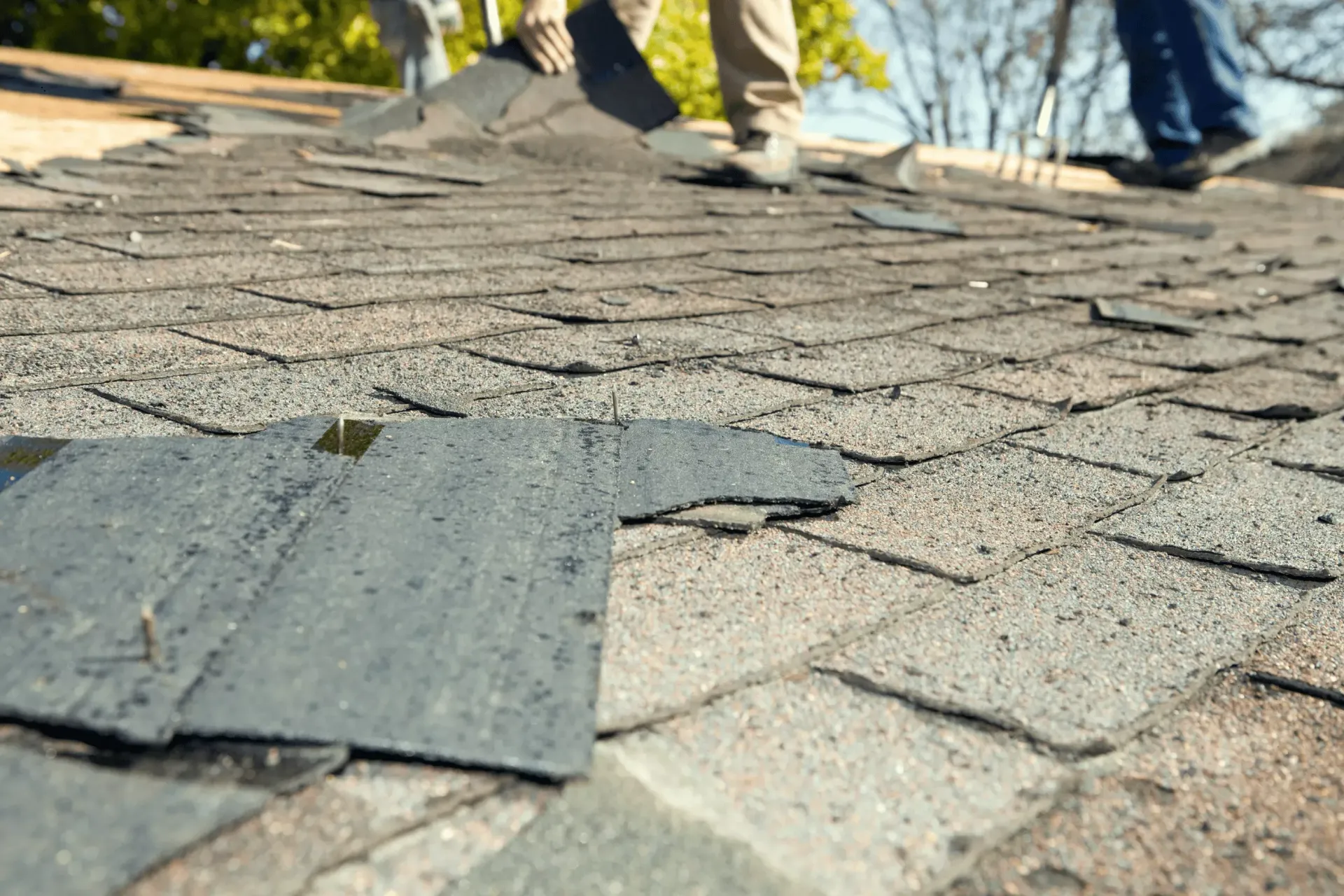
How coastal humidity makes storm damage worse
Havre de Grace sits right on the Chesapeake Bay, and that location changes how storm damage behaves. After a wind event lifts flashing or breaks a shingle seal, the humidity off the water moves into that gap fast. Moisture can sit in your roof decking and insulation for weeks before it shows up as a stain on your ceiling. By the time it's visible inside, the damage underneath is already further along than most homeowners expect. That's one of the reasons we don't wait for signs of an active leak before recommending an inspection after a storm.
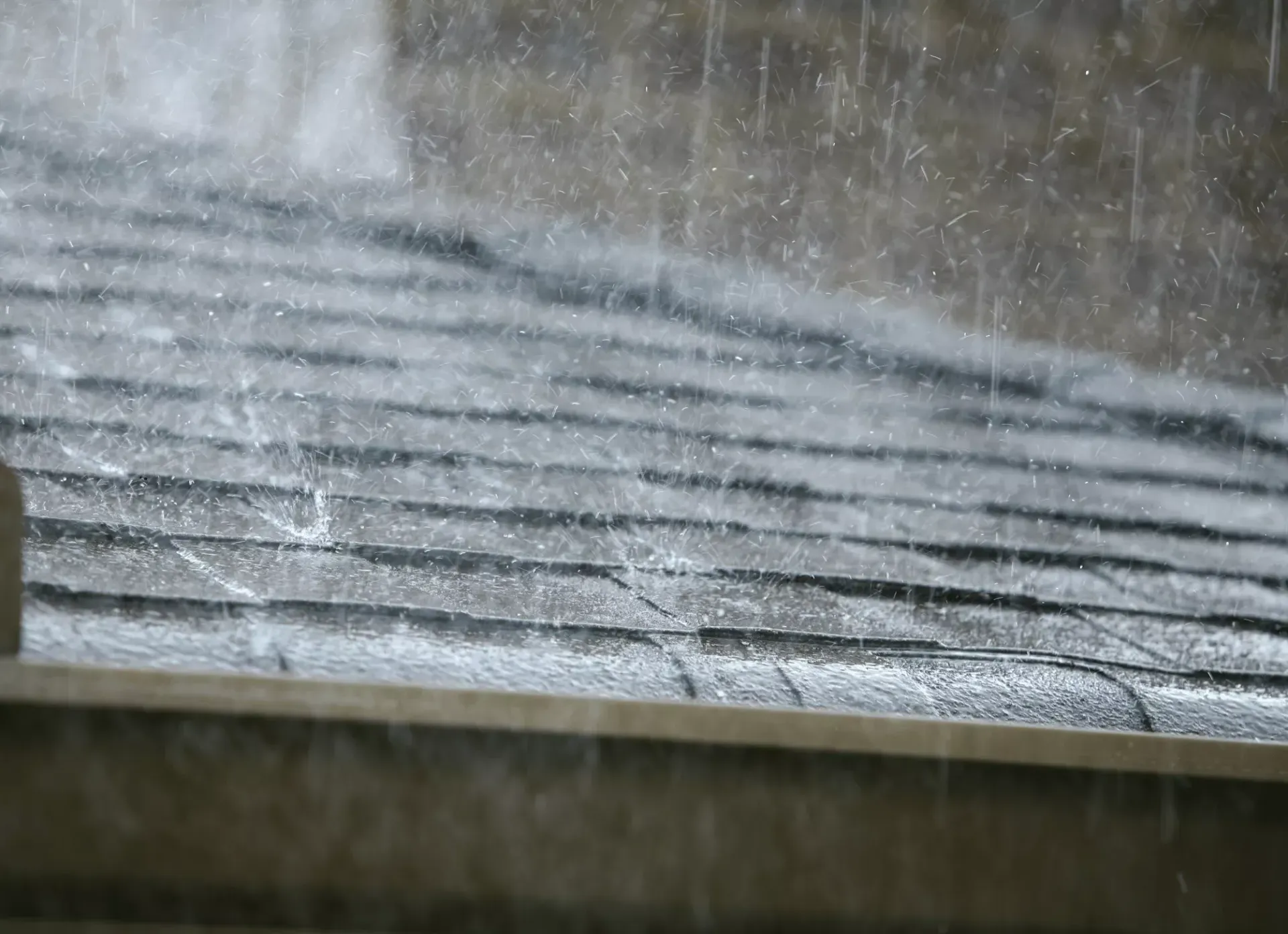
Why older roofs respond differently to storms
Older shingles are brittle and their sealing strips have often degraded long before a storm hits. A storm that causes minimal damage to a newer roof can cause serious problems on one that's pushing 20 years. Age is always part of what we're evaluating during an inspection.
Why Storm Damage Isn’t Always Easy to Spot
Most homeowners walk the yard after a storm and look for missing shingles.
That tells part of the story. A lot of real damage happens in places you can't see from the ground.
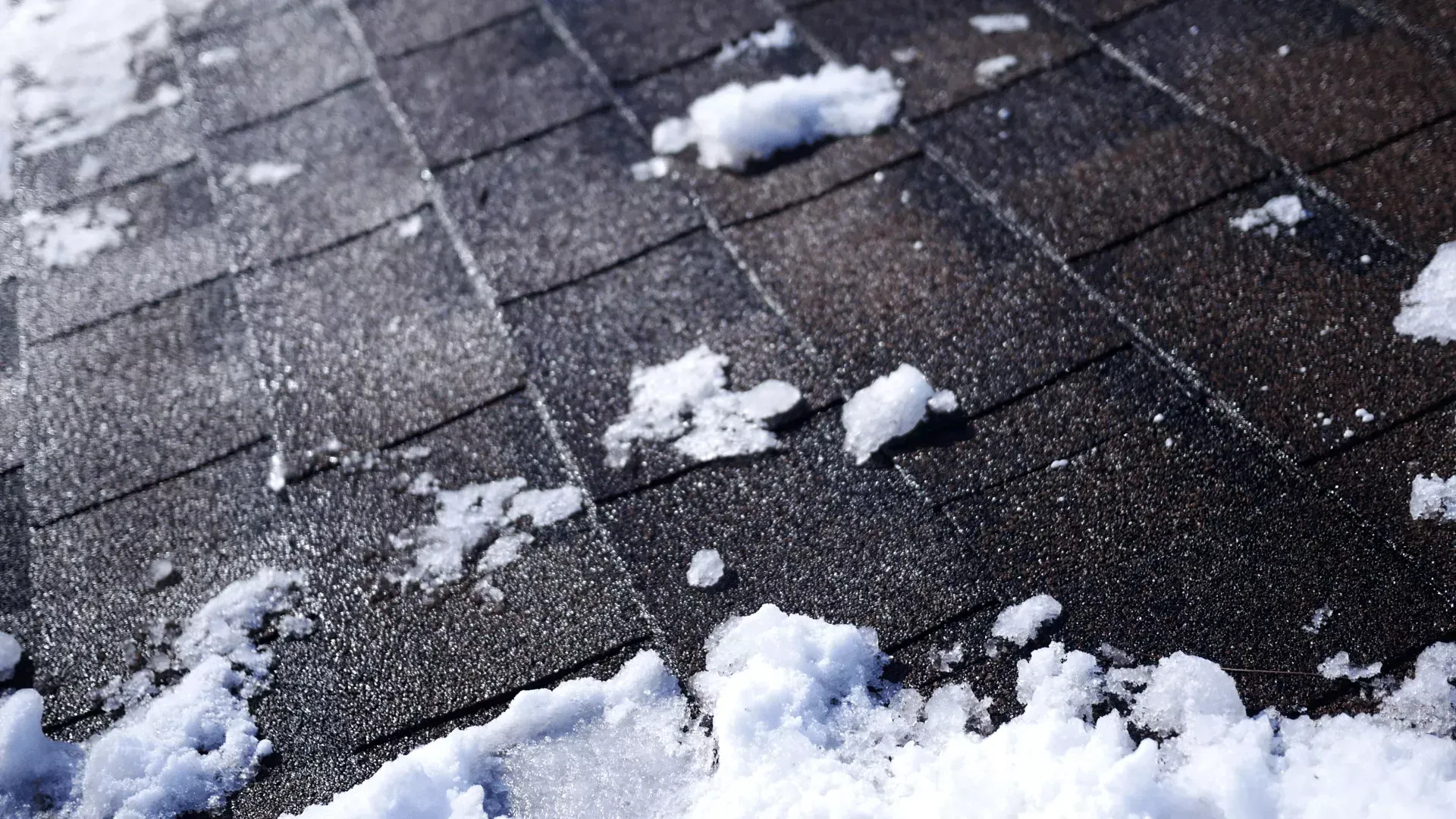
Hidden damage beneath shingles
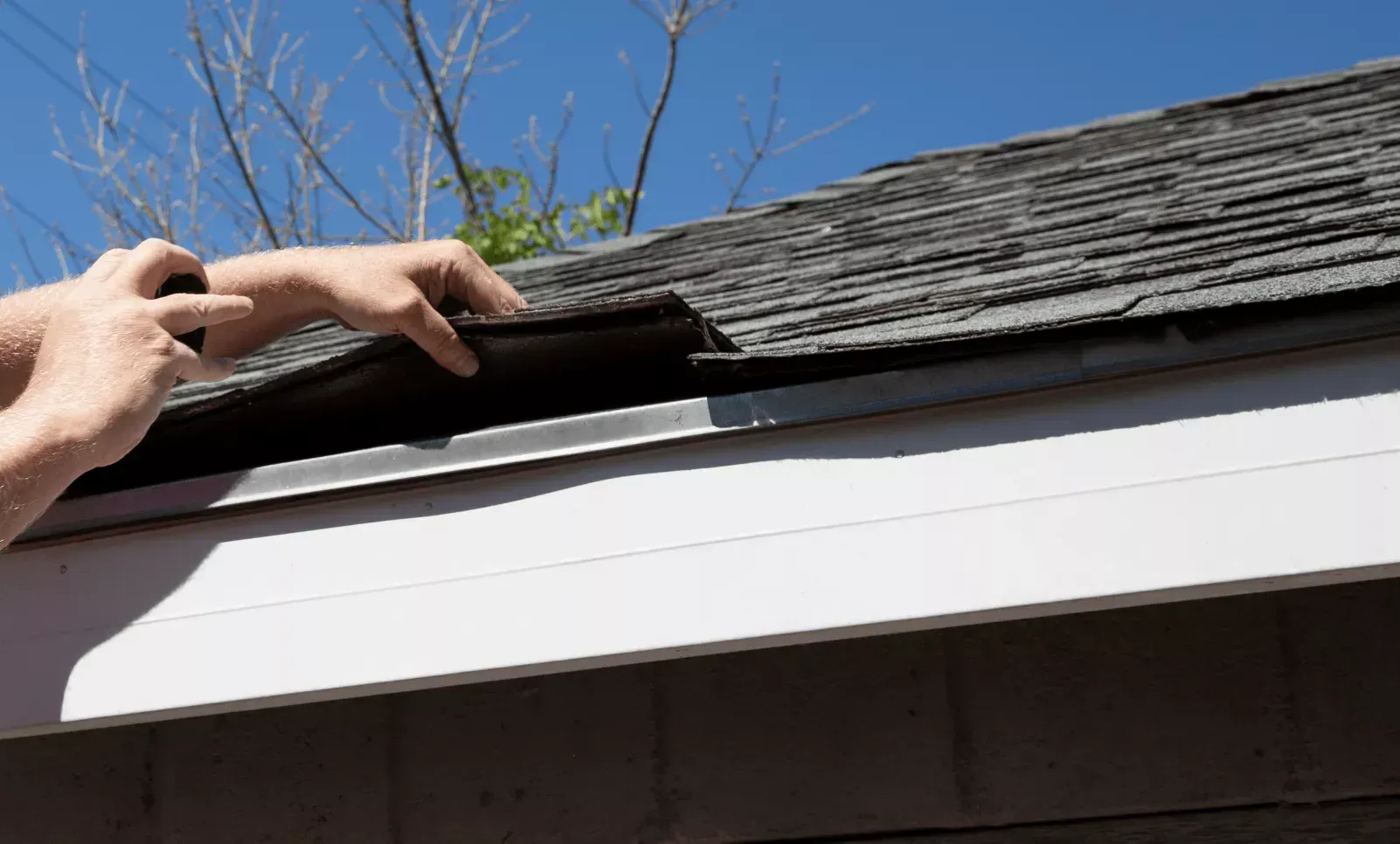
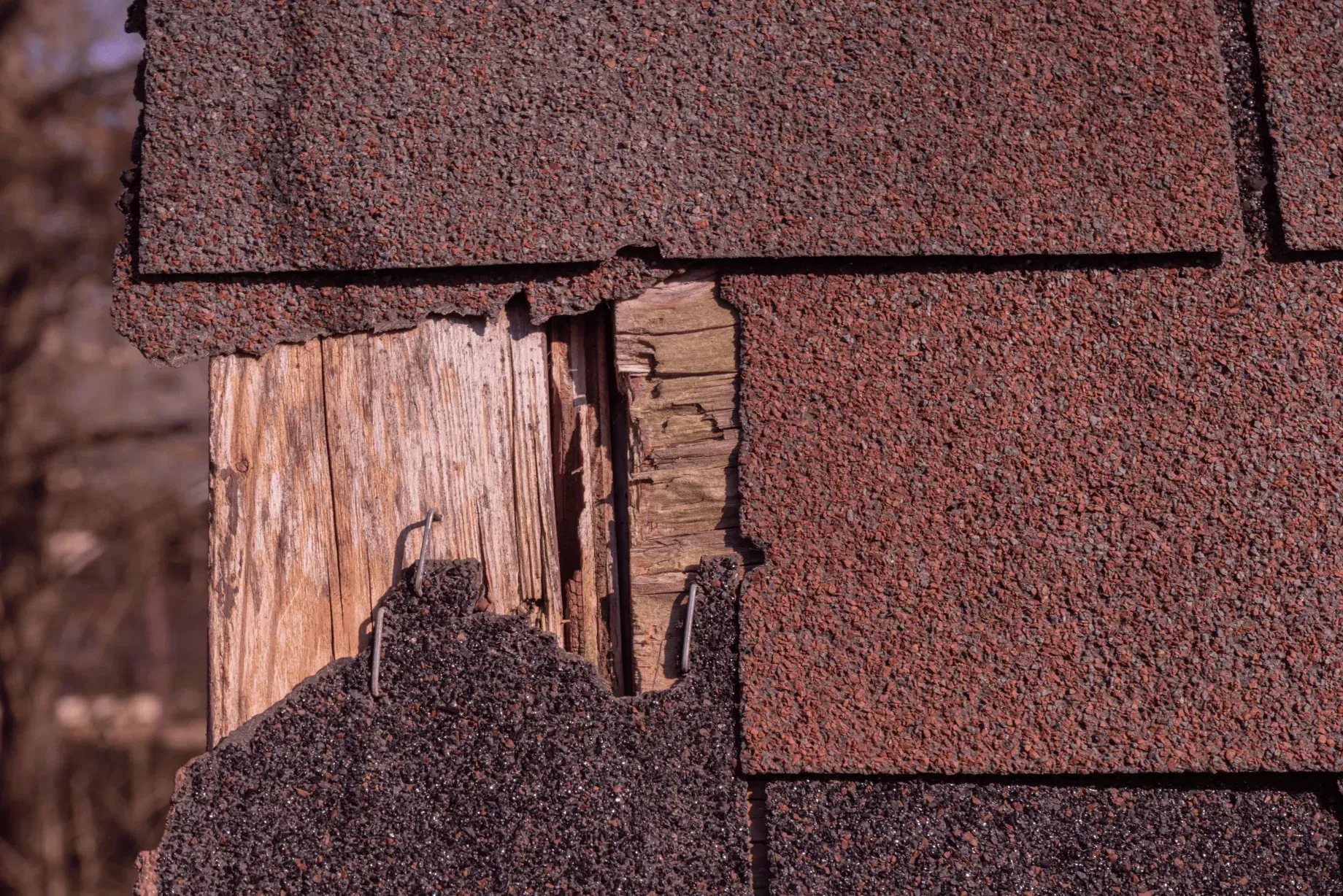
Shingles that were lifted by wind often settle back down once the storm passes. From the ground they look fine. Up close, the sealing strip is broken and fasteners may be backed out. The shingle is still there but it's no longer doing its job.
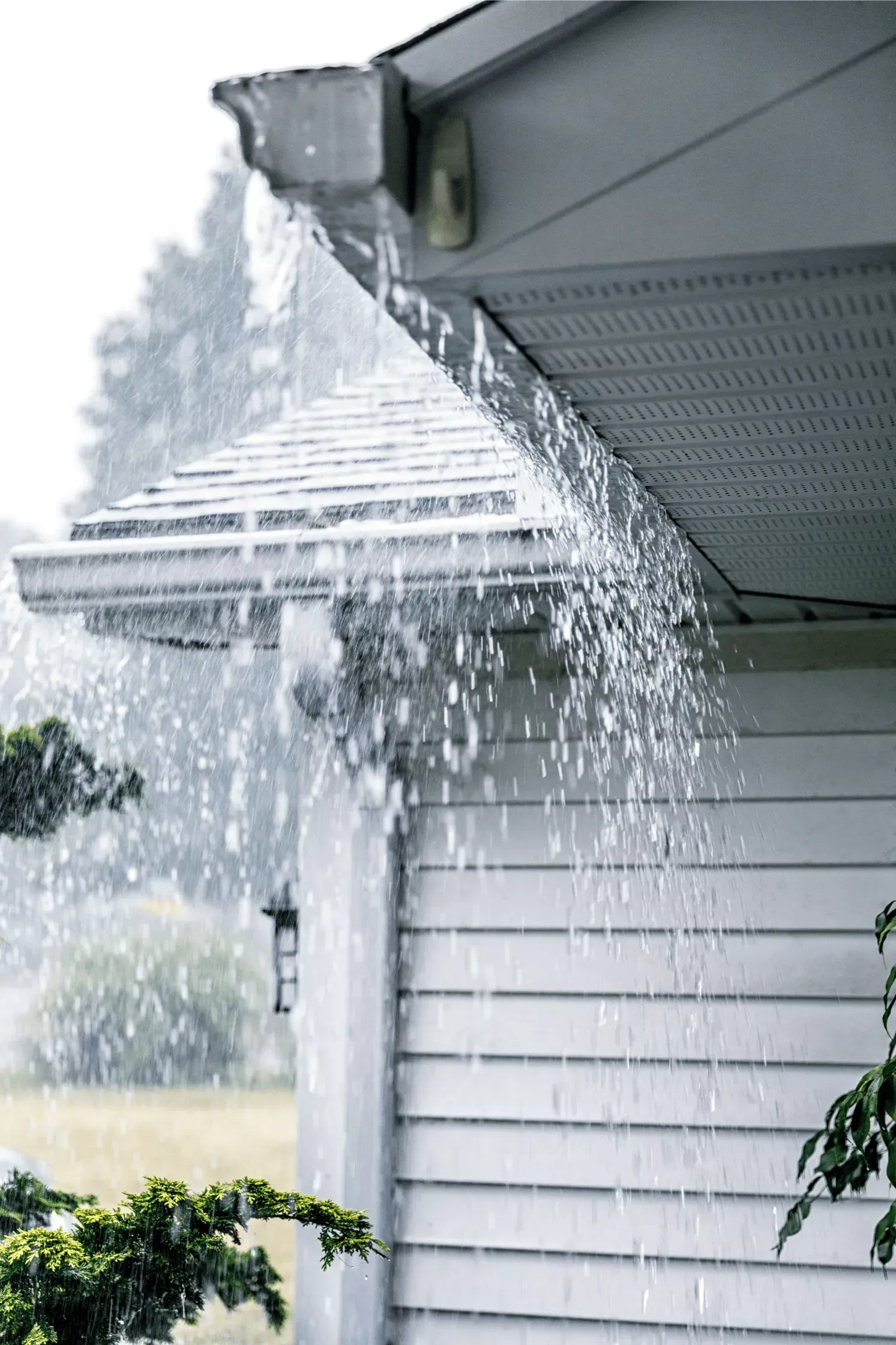
Flashing and seal failures
Flashing around chimneys, vents, and skylights can shift during a storm without pulling completely free. The gap it creates is small, but water finds small gaps every time. These leaks tend to show up weeks later, well after the storm is forgotten.
This is why a professional inspection matters after severe weather. It's not about finding an excuse to sell repairs.
It's about knowing what's actually going on before a small problem becomes a big one.
Our Storm Damage Roof Inspection Process
I handle every inspection personally using the same structured approach every time. We check shingle condition, flashing integrity, all roof penetrations, ridge and edge areas, and ventilation components. When we can access the attic, we look for moisture signs there too.
We also factor in the age of the roof and how any prior repairs have held up. That context matters. It's the difference between identifying cosmetic storm effects and catching damage that's actually compromising your roof's performance.
Quantum Roofing & Restoration is an Owens Corning Preferred Contractor and MHIC Licensed (#155026). When we hand you our findings, you're getting a documented assessment from a licensed, credentialed contractor — not a sales pitch.
Repair or Replacement After a Storm
How We Decide
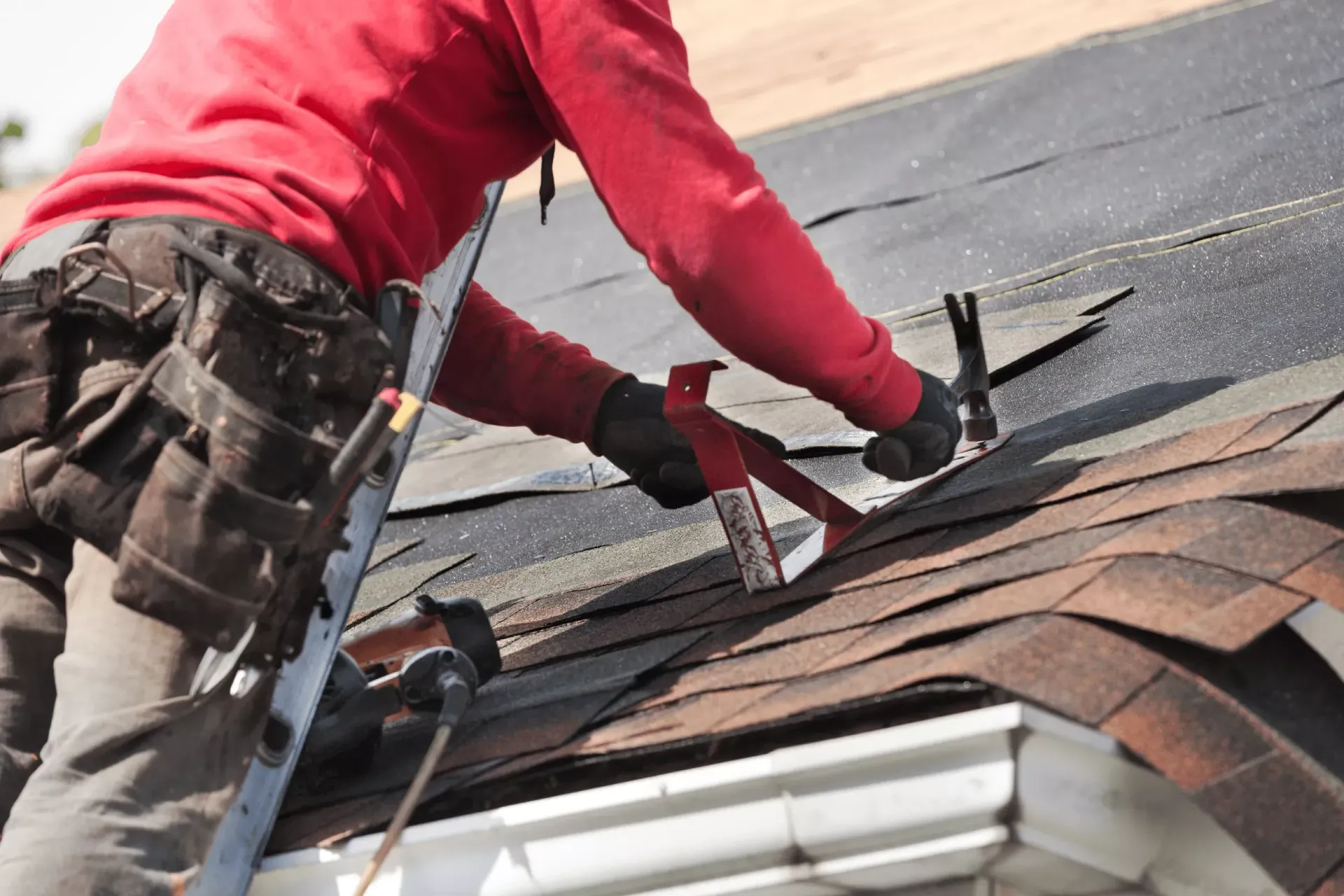
When Repair Is the Right Call
If storm damage is limited to specific sections, the rest of the roof is in good shape, and the decking underneath is sound, targeted repairs are usually the right answer. Done properly, they restore full protection and buy the roof more years.
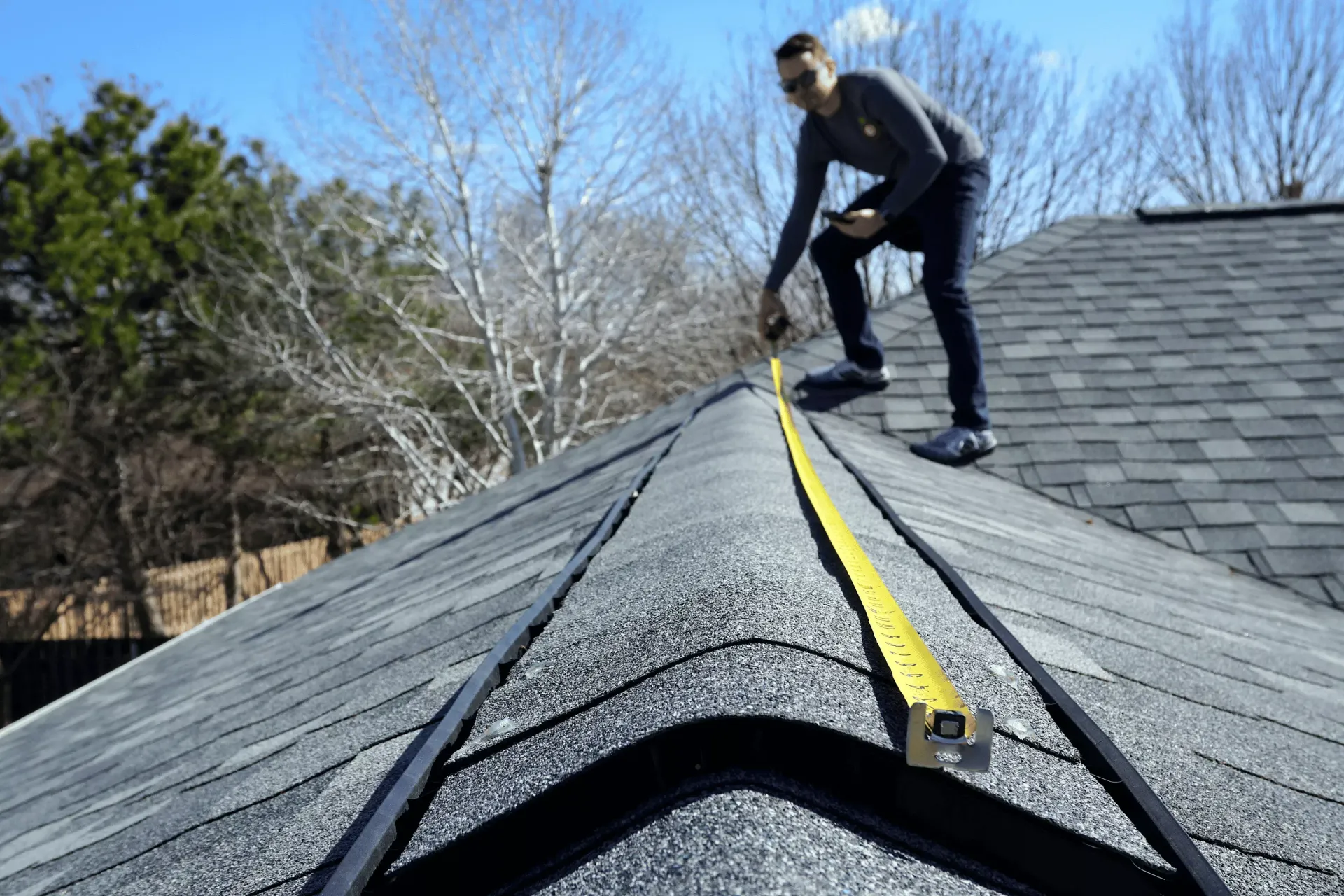
When Replacement Makes More Sense
If storm damage exposes widespread shingle failure, compromised decking, or damage stacked on top of an already deteriorating roof, replacement is often the better investment. We explain our reasoning clearly so you understand exactly why we're making the recommendation we are.
The goal is never to sell a bigger job. It's to give you an honest read on what the roof actually needs and let you make the call.
How We Prioritize Storm Damage Repairs
When we evaluate storm damage, we prioritize repairs based on three things: risk of water entry, structural impact, and likelihood that the problem gets worse with the next storm. Active leak points come first. Damage that will compound over time comes next. Cosmetic issues are addressed last.

What Homeowners Often Miss After Storm Damage
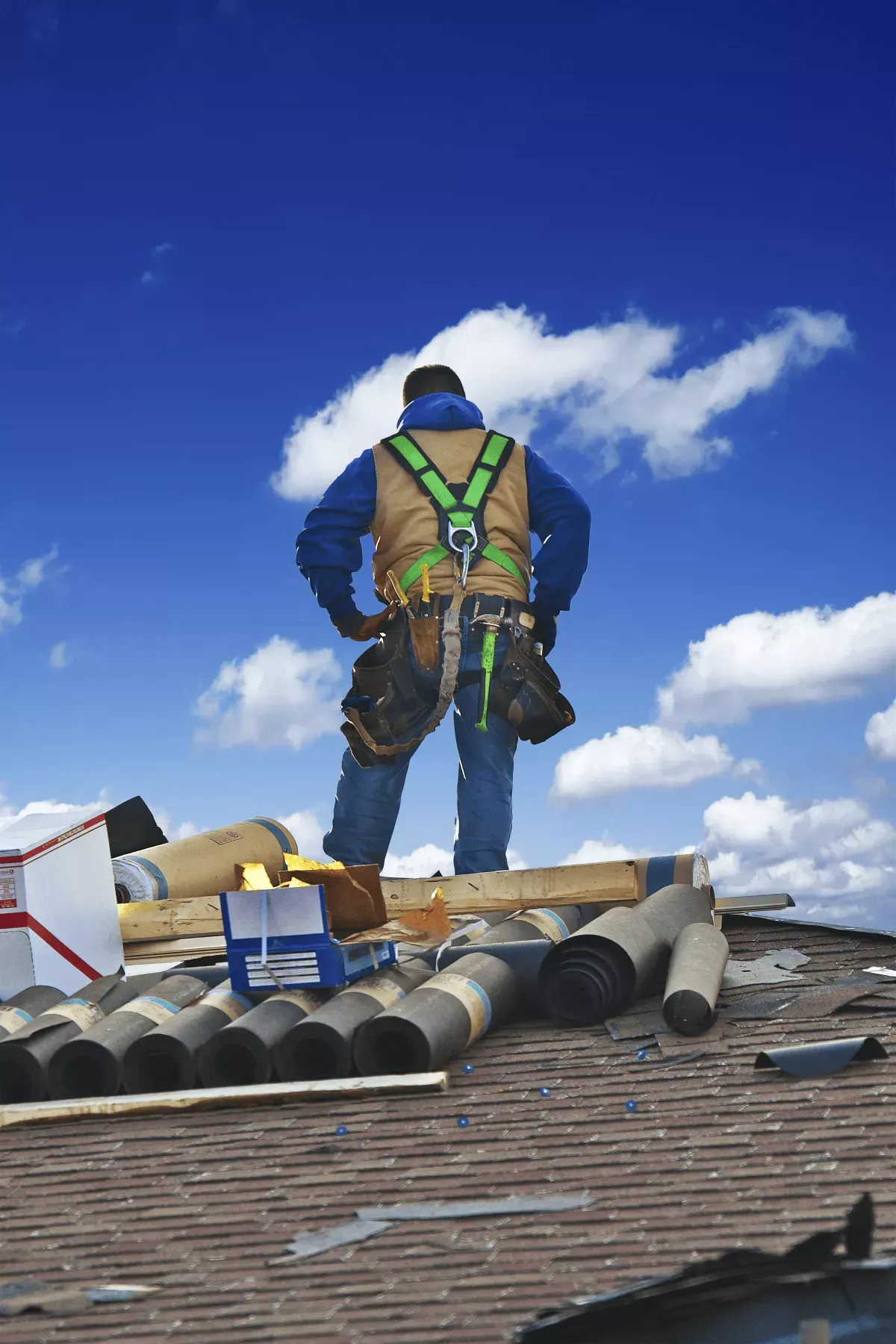
Missing shingles are easy to spot. The damage we find most often is the kind that doesn't announce itself, lifted shingles that look fine but have lost their seal, flashing that shifted just enough to let water creep in, small cracks in aging shingles that open up under wind pressure.
We regularly find storm damage that didn't show up until weeks or months later, once moisture had already worked its way into insulation or roof decking. By that point a straightforward repair has usually become something more involved. That's exactly why a post storm inspection is worth doing even when nothing looks wrong from the ground.
Emergency Roof Repair After a Storm
Stopping the Damage From Getting Worse
After a severe storm, the first priority is keeping water out. If your roof is actively leaking or structurally compromised, we can stabilize the situation quickly while a permanent repair is planned. Waiting in those situations almost always makes the problem bigger.
We Help You Figure Out What Needs to Happen First
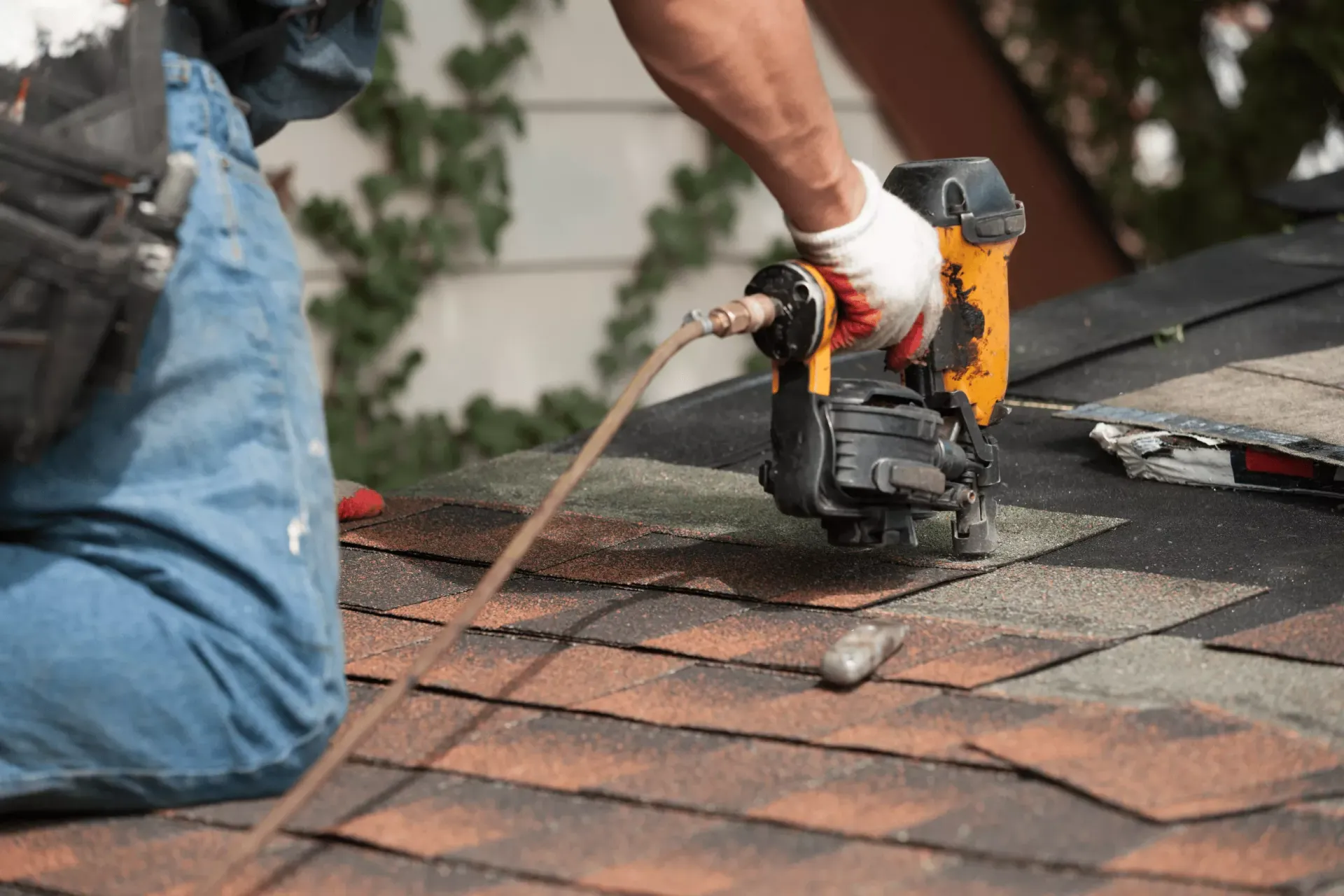
Storm damage can feel overwhelming, especially when you're not sure what's urgent and what can wait. We walk you through exactly what needs to be addressed right away and what can be scheduled once conditions allow. You'll have a clear plan, not a list of unknowns.
Storm Damage and Homeowners Insurance
Storm damage is covered under most standard homeowners insurance policies, but how the process goes depends heavily on the quality of your documentation. Vague or incomplete findings are one of the most common reasons claims run into problems.
We document everything thoroughly, shingle condition, flashing status, evidence of water intrusion, and the full scope of damage. We explain our findings clearly so you understand exactly what's going on with your roof and have solid information to bring to your insurance provider.
We don't act as adjusters and we won't promise a specific outcome. What we will do is give you an accurate, well documented assessment from an MHIC Licensed (#155026) Owens Corning Preferred Contractor. We've helped homeowners throughout Havre de Grace and Harford County navigate this process, and when the documentation is solid and the damage is real, insurance approvals follow.
Why Local Experience Matters After a Storm
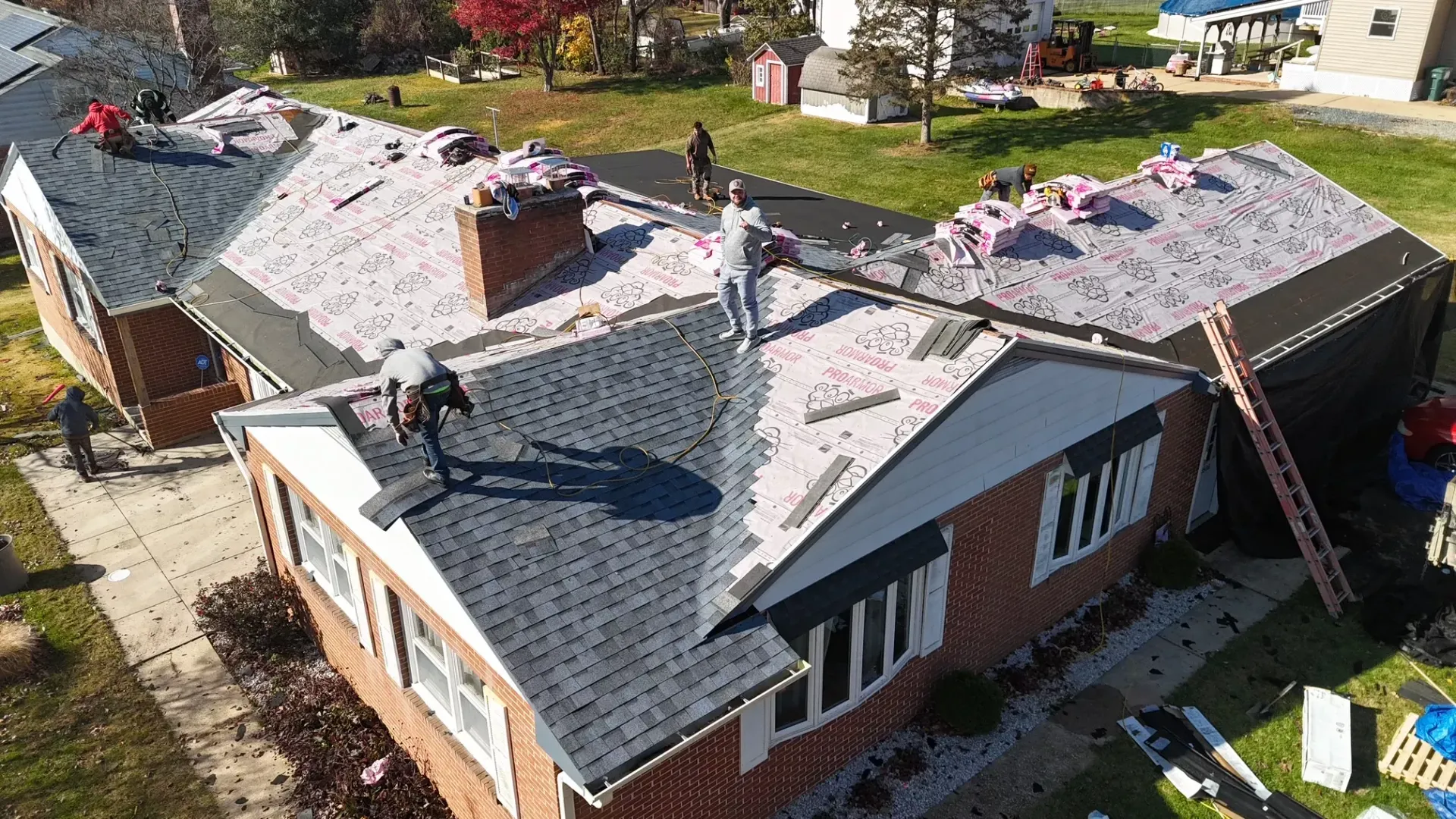
Havre de Grace has its own storm character. The bay shapes how wind moves through this area, nor'easters track up the coastline and hit roofs from angles that inland storms don't, and the mix of older waterfront homes and newer construction means failure points vary block to block.
We know where roofs in this area tend to fail after a storm because we've inspected them after storms. Edge damage, flashing exposure, and ventilation vulnerabilities show up in patterns here that we recognize immediately. That kind of local knowledge makes the difference between a repair that fixes the problem and one that misses what actually caused it.
Serving Havre de Grace and Harford County
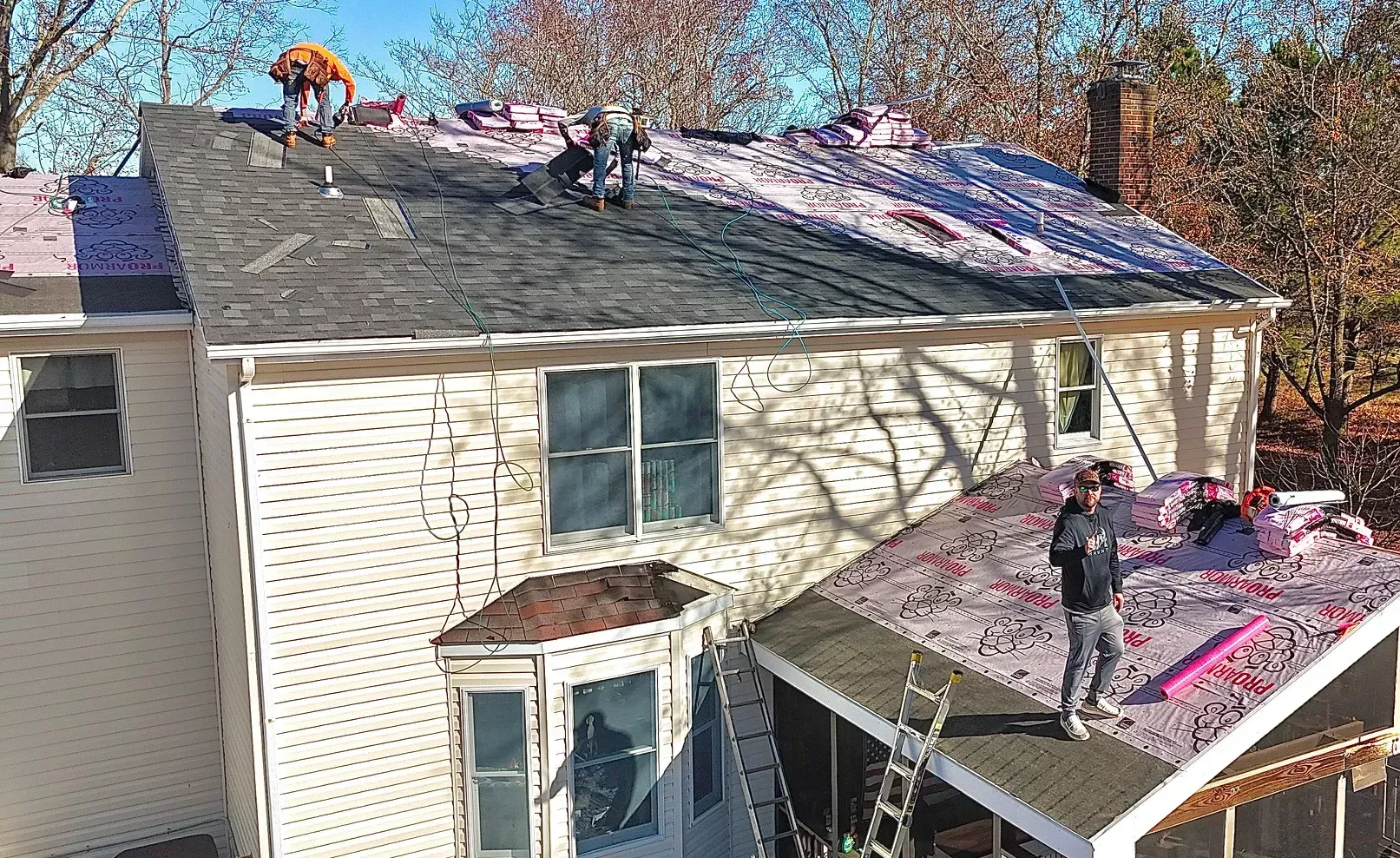
Havre de Grace is our home base. When a storm comes through this area we're already here, we're not driving in from two counties away. We also work regularly throughout Harford County and respond quickly when homeowners need us after severe weather.
Who This Service Is For
If your home went through a recent storm and you're not sure what shape your roof is in, this is for you. Whether you saw obvious damage or nothing at all, getting a professional evaluation done quickly is almost always the right move. Minor damage that gets addressed early stays minor.
If you're dealing with an active leak or visible damage right now, don't wait. Call us directly at (410) 940-2410.
Storm Damage Roof Repair at a Glance
Storm damage can mean a targeted repair or a full roof replacement depending on what we find. Most of the time it's somewhere in between. What matters is getting an accurate picture of the roof's condition quickly, documenting it properly, and addressing what actually needs to be fixed.
Not all storm damage shows up right away. That's why inspections matter even when nothing looks obviously wrong. The sooner you know what you're dealing with, the more options you have.
Storm Damage Roof Repair FAQs
How soon should I have my roof inspected after a storm?
As soon as you can arrange it. Some storm damage creates an immediate risk of water intrusion, and the longer it sits the more opportunity moisture has to work its way into insulation and roof decking. Even if nothing looks wrong from the ground, an inspection within a few days of a significant storm is worth doing. Catching it early keeps your options open.
Does homeowners insurance cover storm damage to my roof?
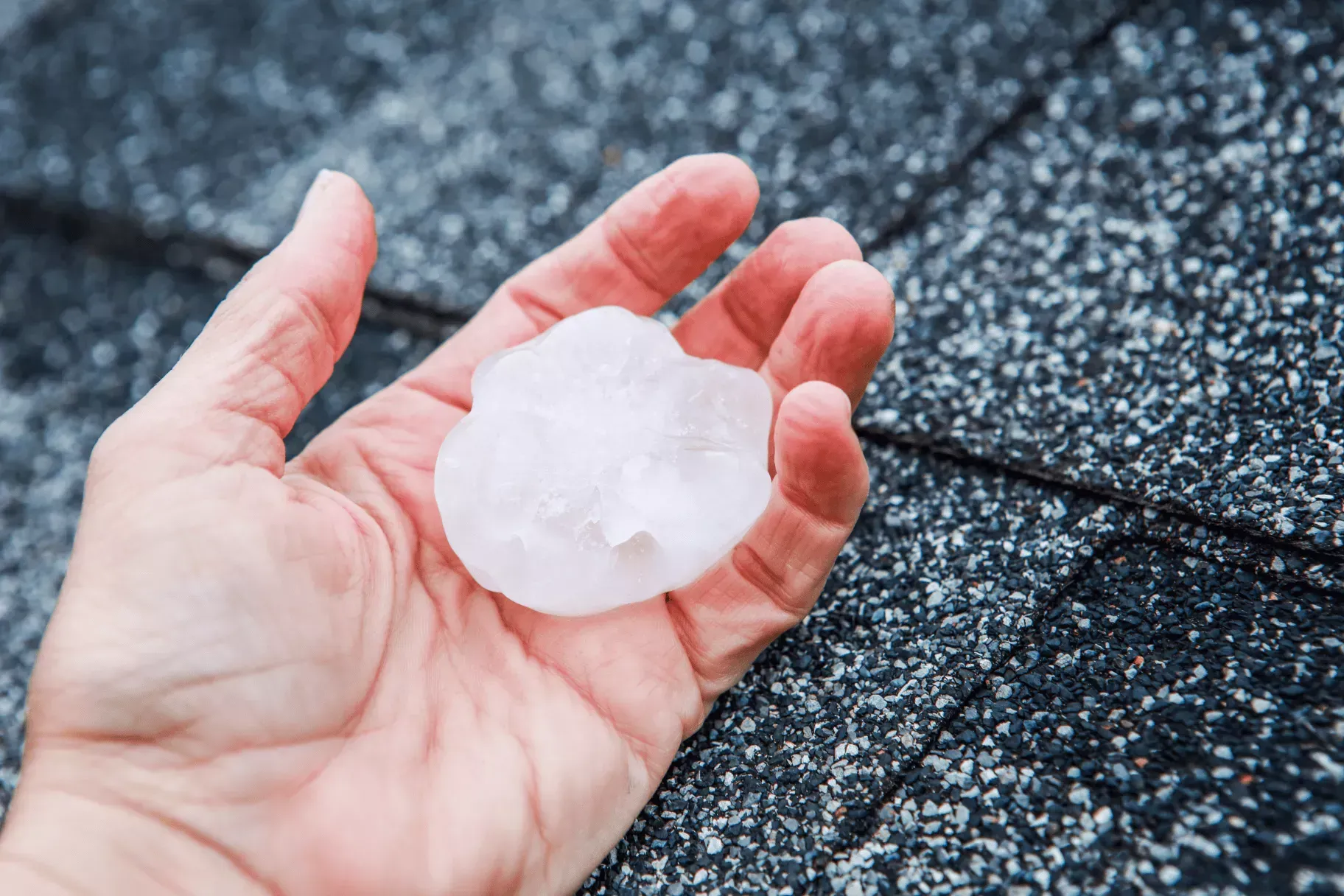
In most cases yes. Standard homeowners insurance policies typically cover sudden storm damage from wind, hail, and falling debris. What matters is having clear, accurate documentation of the damage before you file. The age and condition of the roof can factor into how a claim is evaluated, so having an MHIC Licensed (#155026) contractor inspect and document findings first puts you in a much stronger position. Every policy is different, so review yours carefully and ask your insurer specific questions about your coverage.
What does storm damage actually look like on a roof?
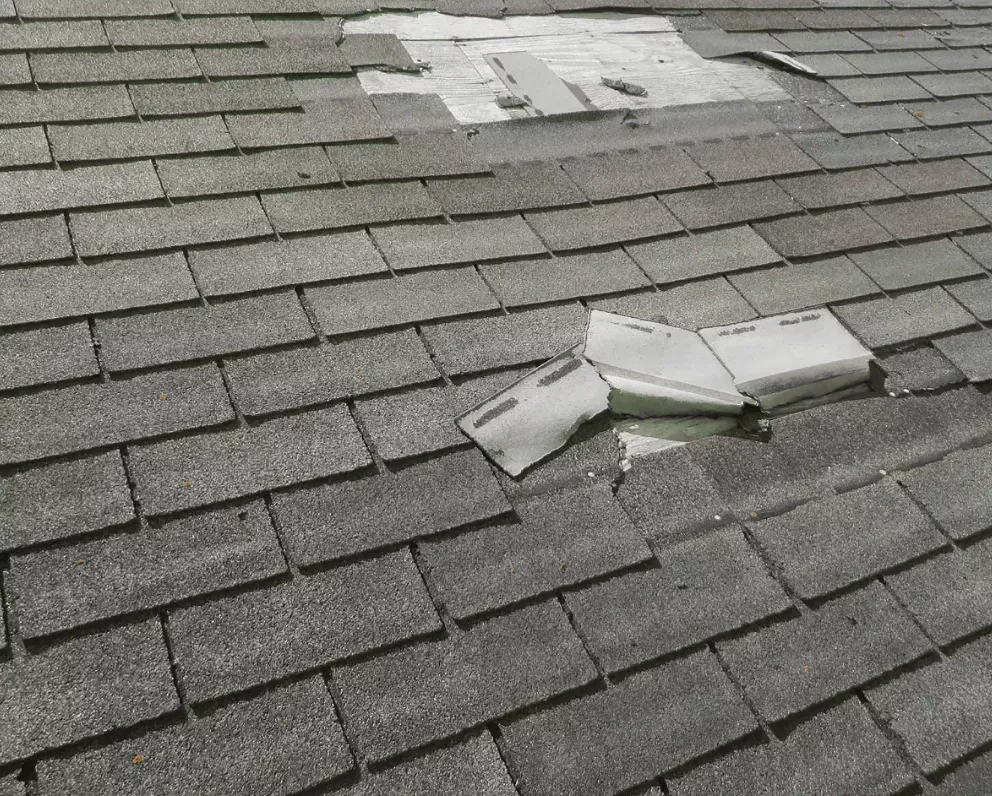
It varies. Missing shingles are the obvious sign, but most storm damage is less visible than that. Lifted shingles that look intact but have lost their seal, granule loss that leaves shingles looking patchy, cracked or dented shingles from hail or debris, and shifted flashing around chimneys and vents are all common findings. Inside the home, water stains on ceilings or in the attic are signs that moisture has already gotten in. A lot of real storm damage doesn't look like much until you're up close and know what to look for.
Can I wait to get my roof repaired after a storm?
In most cases waiting makes things worse. A small area of compromised shingles or a minor flashing issue can let in enough water over a few weeks to affect the roof deck and insulation below. What starts as a straightforward repair becomes more involved the longer it sits. If you're unsure what you're dealing with, getting an inspection done quickly costs very little and tells you exactly what timeline you're working with.
Do all storm damaged roofs need to be replaced?
No. A lot of storm damage is repaired without replacing the whole roof. Whether repair or replacement is the right answer depends on the extent of the damage, the age of the roof, and the condition of the structure underneath. We give you an honest assessment either way and explain the reasoning behind the recommendation so you can make an informed decision.
Schedule a Storm Damage Roof Inspection
If your home was in the path of a recent storm, don't guess about your roof. A proper inspection gives you a clear picture of what's going on and what, if anything, needs to be done about it.
Contact Quantum Roofing & Restoration today to schedule a storm damage inspection or request an estimate. We serve Havre de Grace and surrounding areas of Harford County. We also provide storm damage roof repair in Elkton for homeowners in Cecil County.
Tyler VanDusen and the team are easy to reach and quick to respond.